
Meet Burhan Ondar Barazi, an alumnus of the AFS Effect+ for the Classroom program and a math teacher from Baku, Azerbaijan, who believes that teaching is a powerful way to truly master a subject. In this interview, he shares how he builds strong connections with his students, helps them tackle real-world issues, and uses surprise quizzes to turn exam stress into confidence.
AFS: Would you introduce yourself to our readers?
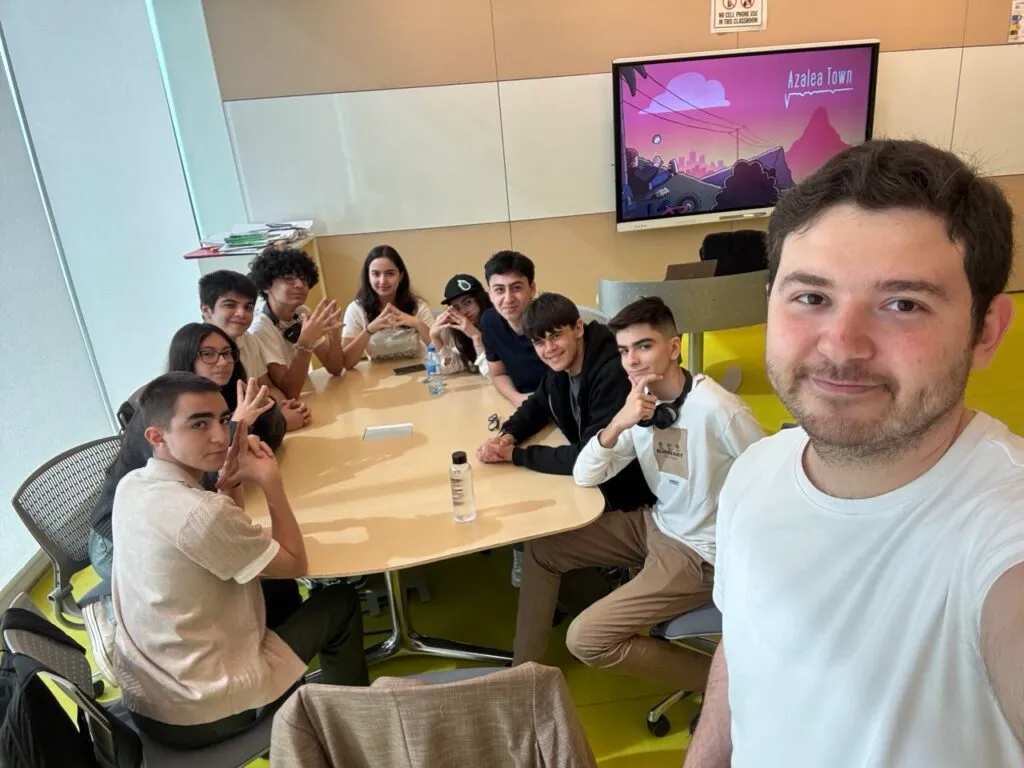
Burhan: My full name is Burhan Ondar Barazi and I teach Mathematics to 10th and 11th-grade students at ADA School in Baku, Azerbaijan.
AFS: How long have you been a teacher, and what brought you to the profession?
Burhan: I have been teaching for 9 years and recently celebrated my anniversary in August.
Identifying a single reason for becoming a teacher is challenging. Influential role models, a strong desire for deep understanding, and an enjoyment of working with people all contributed to my decision to become a teacher.
I cannot skip mentioning the incredible teachers and professors I had at school and university years. In particular, one of my favorite ones, Tatyana A., made everything easy to understand after reading and analyzing the material. She taught me to read deeply and truly engage with books. During my university years, I met professors who had chosen their field and dedicated their lives to it—their passion for the subject was inspiring.
I believe that teaching and articulating ideas significantly deepens understanding. Often, we think we have mastered a concept, only to realize gaps when applying it in practice. In my opinion, explaining and processing information is the final and essential step in truly acquiring knowledge.
AFS: What can you share with us about your students?
Burhan: In the ADA school, most of the students are from Azerbaijan. They usually come from Azerbaijani or Russian local schools; some of them studied in English schools as well. I teach 10th and 11th grades, so most of the students are about 14-15 years old.
AFS: Can you tell us more about your school?
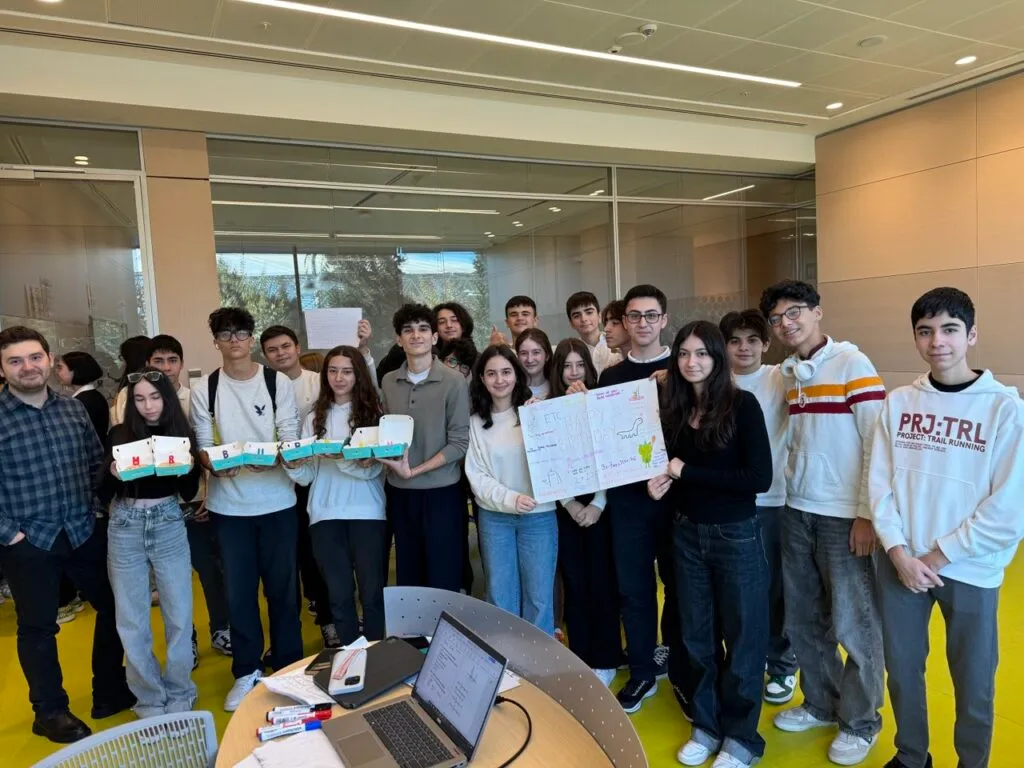
Burhan: ADA High School is a private school founded in 2019, offering English-language education for Grades 10 and 11. We combine the national curriculum of Azerbaijan with ADA University’s academic experience, serving a small but growing community of students while focusing on skills and values. For the past three years, we have also offered the IB program, and I am currently teaching the IB curriculum alongside the national program.
AFS: What is a challenge that you feel many teachers in your area have to face?
Burhan: Balancing the curriculum can be challenging because there is often a gap between newcomers’ prior experience and the program’s requirements. Our 2-year program is intensive and diverse, and quite different from what students encountered in their previous schools.
We are also at a transitional stage between their school experience—where students still need guidance—and university, where they have much more independence. It’s important to gradually give students more responsibility, which can be challenging but rewarding. For example, instead of providing all solutions to a problem, we encourage students to analyze and try to find answers themselves, fostering independent thinking.
AFS: Can you share with us a success story or moment that made you feel valued as an educator?
Burhan: A moment that made me feel truly valued was being selected as the Best Math Teacher two years in a row by my students, which was incredible recognition. I was also proud when my local curriculum students achieved a 93% overall score on their final government exams in 2023–2024. More than awards or results, though, what means the most to me is the strong connection I share with my students—it’s this bond that makes me feel valued every day as an educator.
AFS: How have you tried to incorporate Global Citizenship Education (GCED) into your classroom?
Burhan: I integrate Global Citizenship Education into my classroom by connecting mathematics to real-world issues such as climate change, sustainability, and population growth, linking them to the UN Sustainable Development Goals (SDGs). I also encourage intercultural learning by engaging students in projects inspired by my participation in the AFS Effect+ program, where they explore global perspectives – something that strongly aligns with the IB’s focus on international mindedness.
AFS: How have your students responded to learning about topics related to Global Citizenship Education?
Burhan: My students respond enthusiastically to this kind of learning. Generally, it’s a good idea to take a short break from the “formula world” of math and make links to real life. Topics like GCED make lessons more meaningful and help them think globally while collaborating with peers.
AFS: What is one teaching tool or method you find very effective that you would recommend to other teachers?
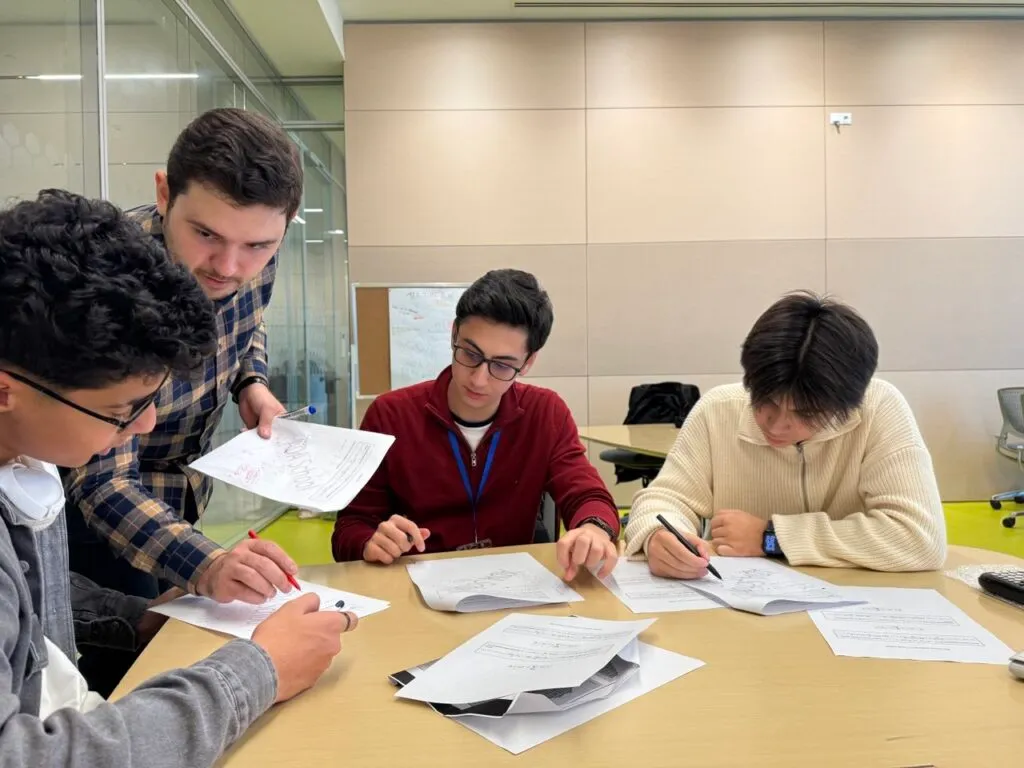
Burhan: I love using micro-tests (not necessarily graded ones) before major exams to give students extra practice. I also run “surprise quizzes”—sudden checks I call in a friendly way to keep students engaged without stressing them out. New students often react emotionally at first, but over time, they get used to the system. This approach helps build psychological resilience, so exams become a manageable part of learning rather than a stressful event, and students develop habits for success in real exams.
AFS: If you could give one piece of advice to a new teacher starting their career next school year, what would you say?
Burhan: I would advise new teachers to focus not only on mastering their subject and delivering content effectively but also on the less visible aspects of teaching. Building trust and forming strong emotional connections with students from the very first day is essential for creating a positive classroom environment. Pay attention to students’ motivation, classroom dynamics, and the unique needs of each group. There is no one-size-fits-all approach, so it is important to adapt your methods to your students and remain flexible throughout the year. Developing these habits early can have a lasting impact on student engagement and learning outcomes.
Above all, it is important to remember a fundamental principle: a teacher can only be effective if they are personally well and balanced. Prioritizing rest, self-care, and recovery is essential to prevent burnout. Many new teachers face this challenge (I was no exception), so I highly recommend seeking guidance from experienced colleagues and learning from their insights. Just as new students may struggle at the start of their educational journey, new teachers may also face challenges in the early stages of their careers. Approach this period with patience and understanding, and allow yourself the space to be authentic—even if it sounds obvious, it makes a significant difference in the long run.
AFS: If readers want to contact you, how can they do so?
Burhan: Anyone interested can contact me on LinkedIn: https://www.linkedin.com/in/burhanbarazi/