
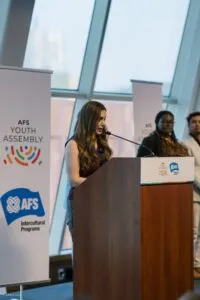
Kizhe J Qadir’s journey into education was unexpected and born out of a challenging personal and political landscape in Kurdistan, Iraq. Her story is one of finding purpose not by design, but through volunteering and seizing limited opportunities, which ultimately led her to a calling to provide the exposure and global opportunities her students never knew existed.
We are proud that Kizhe is an AFSer: she currently serves as the Impact Coordinator for the MENA Region of the AFS Youth Assembly, and is an alumna of the Educators Academy at the 2025 AFS Youth Assembly.
Continue reading to discover Kizhe’s story.
I never thought I would become an educator. In fact, I never even imagined myself becoming anything at all. Growing up in the mountain areas of Iraq, in the Kurdistan Region home to more than six million people, I saw first-hand how fragile education could be. Today, I work at an international school in Sulaymaniyah, but outside its walls, thousands of students remain without proper schooling. Public schools across the region are often closed, leaving children and teenagers with limited access to education. For me, education is the “heart” of a country, yet our system has been struggling for years. I, too, was one of its victims.
Back in 2014-2015, when ISIS attacked Kurdistan, schools shut down for months due to the financial crisis. My senior year was disrupted, and the lack of stability drained my motivation. As a result, I didn’t achieve the grades I needed to pursue the college of my choice. Instead, I found myself at the public university, studying physics in the College of Science. I graduated successfully, but I carried with me years of confusion and unsureness of who I was or what I wanted to become. Should I start my own business? Go into marketing? Pursue medical physics? Teach? Work for an organization? The questions were endless, and the answers seemed far away.
But while I was lost, something unexpected found me: education.
During my university years, I was desperately searching for opportunities to discover what I was good at. Opportunities for young people in Iraq are limited, especially for university students, so I started volunteering at every organization and event I could find. I also started joining international leadership programs online, connecting with people far beyond my city. These experiences shaped me in ways my classrooms never could.
Just before my final exams, I sat for an interview at an international school. To my surprise, I was accepted as a teacher but not because of my degree, because of the leadership programs, volunteering, and courses I had taken on my own initiative. At the time, I was not sure teaching was my path. But in a city with a struggling job market, this opportunity was golden for a fresh graduate like me.
And then, something happened. I stepped into the classroom, and I saw the impact I was making every single day. I saw students grow, learn, smile, and look to me as a source of guidance. For the first time, I felt the meaning of my work.
Later, I attended the Youth Assembly in New York and participated in global education sessions alongside teachers from around the world. It was an inspiring event for me but it also left me with a question: Why was I the only Iraqi delegate there? The answer was simple. Young people in my country often don’t even know these opportunities exist. That realization pushed me to take action.
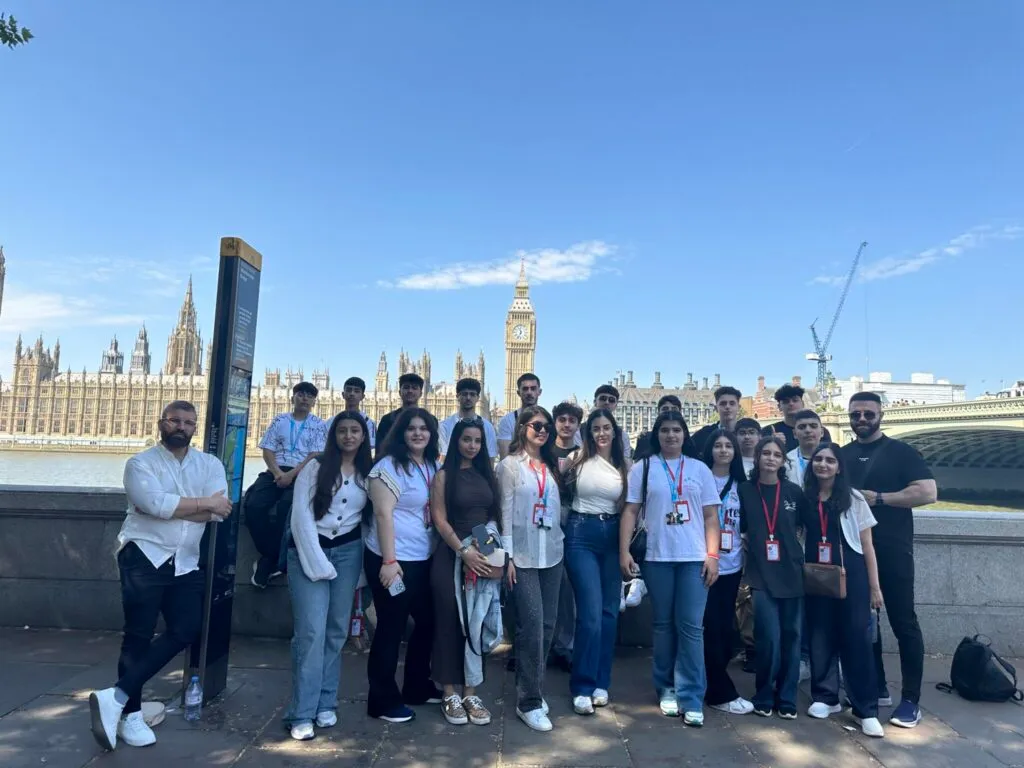
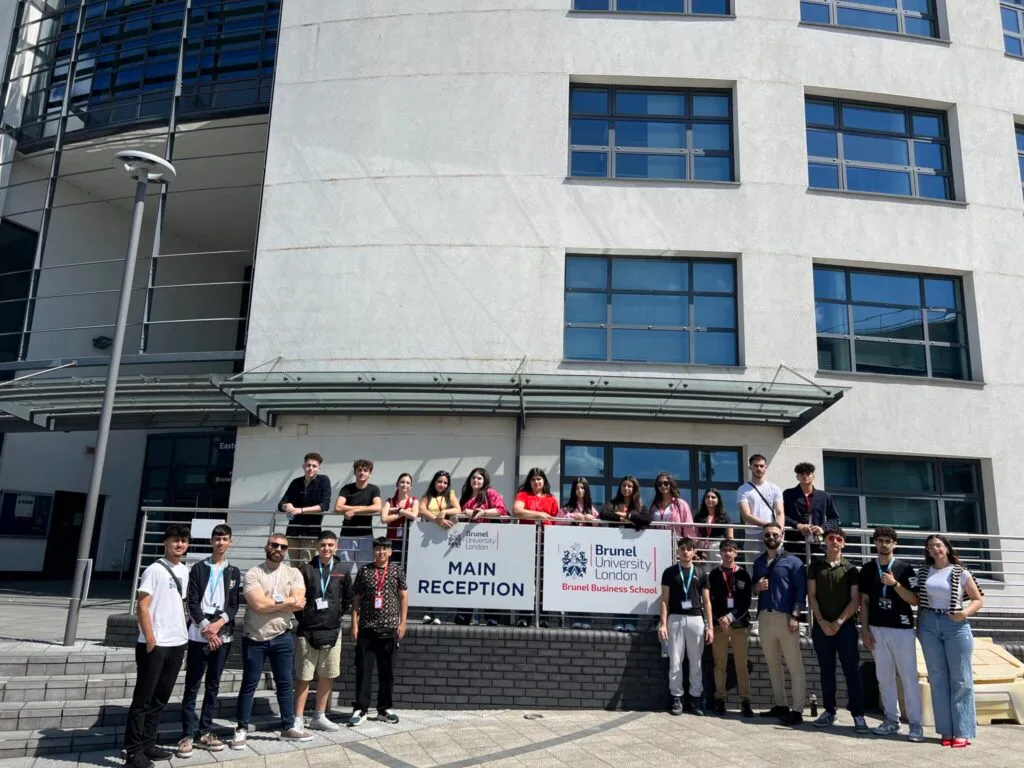
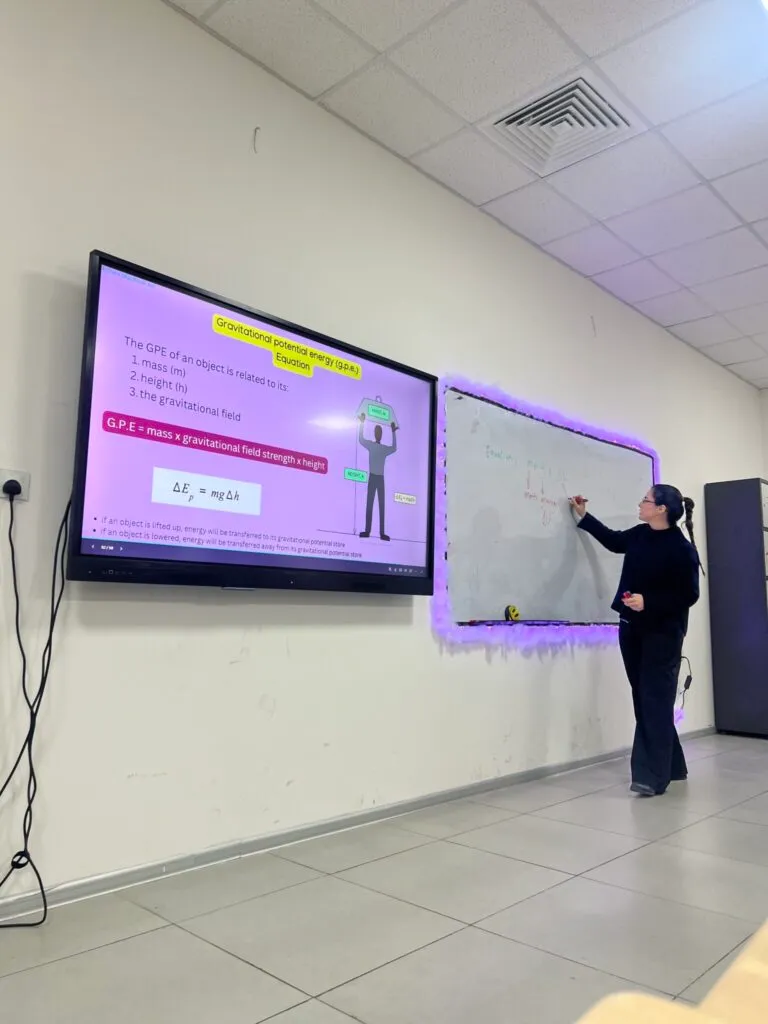
When I came back home and started the new academic year, I began helping my high school students access the same kinds of opportunities I wished I had known about. I started internship programs in collaboration with all the companies in my city in different fields so they could explore careers. I led summer leadership trips to London at Brunel University, where 70 of our students over two years experienced life at a British university while building their leadership skills. I partnered with international organizations to bring leadership programs to our school, helped students apply to global conferences and competitions, and guided them step by step through university applications. All this, while still teaching IGCSE physics.
To me, this became more than a job. It became my purpose: to give my students the knowledge, the exposure, and the opportunities that were never shared with me. In a region where our passport ranks among the weakest in the world, I remind my students that borders and politics should not define their ambitions. Opportunities may be limited, but determination can open doors.
Yet, as I support students in my school, I cannot ignore the bigger picture. Public schools remain closed in Kurdistan, especially in rural areas where students already face barriers. Teachers are not paid regularly or fairly, which pushes many out of the profession altogether. This political crisis is slowing down our country’s growth and denying thousands of young people the quality education they deserve. It pains me to see the gap widening between those who can access international schools and those left behind.
At the same time, I continue my own journey of learning. Students often believe teachers know everything, but we don’t. We, too, are students of life. I regularly participate in conferences, trainings, and global education programs to keep growing. I also serve as a digital facilitator with World Learning, working on leadership and STEAM programs. Every new program I join, I share with my students because I want them to see that learning never stops.
In Iraq, we may not have the same opportunities as others, but I believe that not finding yourself is sometimes a blessing, because it helps you explore more and more opportunities.
I often say: I did not find education, education found me. And through it, I found not only a career but a calling. A calling to guide students, to open doors that once felt shut, and to show them that despite the challenges of our passport, our politics, and our circumstances, education is still the most powerful tool we have to help our people and our country.
Interested readers can connect with Kizhe on LinkedIn, or via email at [email protected]