
“Teach for life” is Carl Joel Tilos’ motto in Negros Oriental, Philippines. Developing the whole student beyond the textbook and connecting learning to real global and local issues leads to greater engagement and purpose for his students. Carl wants his students to “understand that global citizenship begins with recognizing how global challenges affect local communities—and realizing that they have the power to respond.
AFS: Welcome Carl! Can you introduce us to yourself and where you are?
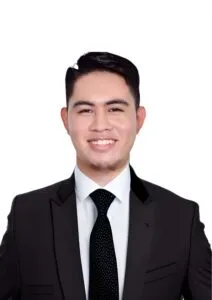
Carl: I am a Filipino educator at St. Paul University Dumaguete in Negros Oriental, Philippines. I teach Grade 8 Science and Grade 12 General Physics to STEM students. I strive to make science meaningful by connecting classroom learning to real-world challenges, particularly those affecting our communities and environment.
AFS: How long have you been a teacher and what brought you to the profession?
Carl: I have been teaching for five years, driven by my belief that education can transform lives and communities. As a Filipino science educator, I want to empower learners to think critically, embrace sustainability, and use their knowledge to create positive change. For me, teaching is more than a profession; it is a commitment to shaping a more informed, compassionate, and sustainable future.
AFS: Can you tell us about your students at St. Paul University Dumaguete?
Carl: My students are all Filipino, primarily from Dumaguete City and nearby communities.Our local dialect Cebuano is commonly spoken in their daily lives, while the national language Filipino and English are also used in school. They are curious, cheerful, and full of energy, yet deeply respectful of their teachers and elders. These qualities reflect Filipino values such as paggalang (respect), pakikipagkapwa (shared humanity), and bayanihan (community cooperation). Their warmth, resilience, and strong sense of community make teaching them a rewarding experience.
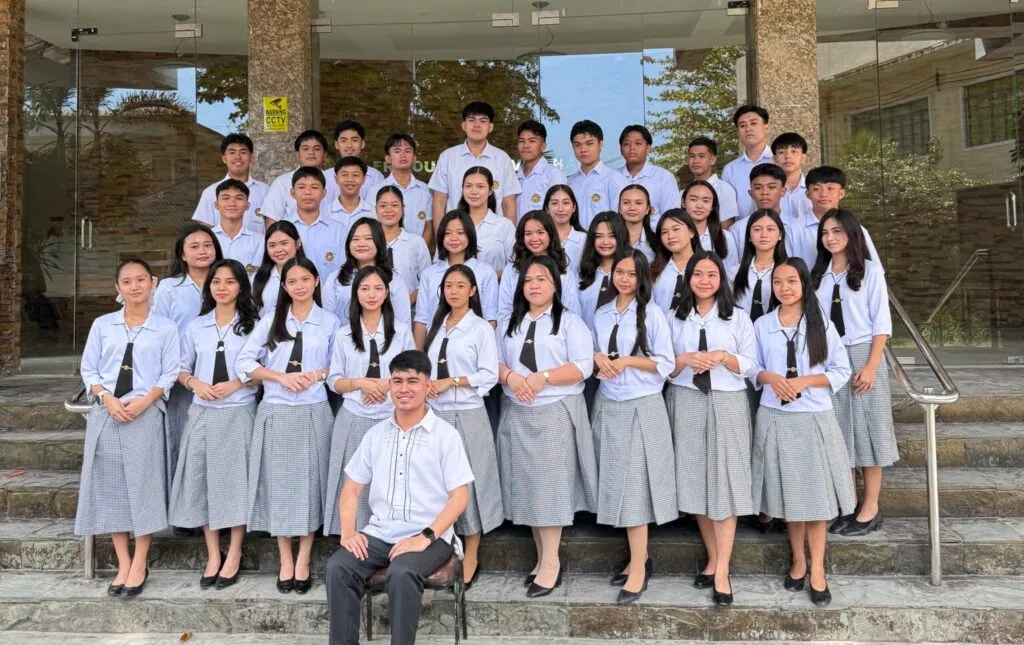
AFS: What about St. Paul University Dumaguete, can you share more about your school?
Carl: St. Paul University Dumaguete was founded in 1904 and is a private, co-educational Catholic institution recognized as one of the premier educational institutions in Negros Oriental. Its Basic Education Department serves over 1,000 students from Kindergarten to Grade 12.
While academic excellence is a core value, the school equally emphasizes Paulinian Catholic formation, nurturing faith, character, compassion, and service. Guided by the Sisters of St. Paul of Chartres Education Ministry’s Outcome-Based Education Framework, the school strives to form competent learners who are also responsible individuals committed to the common good.
AFS: What are some challenges facing educators in your area or in the Philippines in general?
Carl: Although my school has resources to support learning, we are not immune to the challenges facing Philippine education. Typhoons, earthquakes, and other climate-related disruptions can suspend classes and interrupt learning. We also continue to address learning gaps from the COVID-19 pandemic, students’ dependence on digital gadgets, and the uncertainties of an increasingly volatile, uncertain, complex, and ambiguous (VUCA) world. These realities remind me that education must go beyond content delivery. We must develop resilient learners who can think critically, adapt to change, and navigate an unpredictable future.
AFS: Can you share with us a success story or moment that made you feel valued as an educator?
Carl: One of my proudest experiences is seeing my students bring their ideas beyond the classroom and compete internationally. Their achievements in the International Creativity and Innovation Awards (ICIA) and the Trust for Sustainable Living International Student Competitions demonstrate how young Filipinos can contribute creative ideas to global challenges. I have also involved students in field-testing the Smithsonian Science for Global Goals learning materials, allowing them to engage with global issues through scientific inquiry.
These experiences affirm my belief that Filipino students are not merely future leaders; they are already capable of contributing to meaningful change when given the opportunity.
AFS: Have you tried to incorporate Global Citizenship Education (GCED) into your classroom?
Carl: I integrate Global Citizenship Education by connecting science learning with sustainability, climate change, and the United Nations Sustainable Development Goals, particularly SDG 4 (Quality Education) and SDG 13 (Climate Action). Through research projects, international student competitions, and participation in the Smithsonian Science for Global Goals field-testing initiative, students investigate real-world challenges and explore solutions grounded in their local contexts. I want them to understand that global citizenship begins with recognizing how global challenges affect local communities—and realizing that they have the power to respond.
AFS: And how have your students responded to GCED in the classroom?
Carl: My students become more engaged when they see how science connects to real issues in the Philippines, from climate change to environmental sustainability. Through research and collaborative activities, they learn to question, innovate, and propose solutions. I want them to realize that they are not too young to make a difference—that Filipino youth can be part of the solution, not just witnesses to the problem.
AFS: What is one teaching tool or method you find very effective that you would recommend to other teachers?
Carl: I recommend developing socio-scientific reasoning and global systems thinking. By exploring real-world issues such as climate change, students learn to evaluate scientific evidence, consider diverse perspectives, and understand how environmental, social, and economic systems interact. In the Philippines, where communities experience climate-related challenges firsthand, these approaches help learners connect global issues to local realities and make informed, responsible decisions. The goal is to develop not just science-literate students, but globally minded citizens who can think critically and act meaningfully.
AFS: If you could give one piece of advice to a new teacher starting their career next school year, what would you say?
Carl: Teach beyond the textbook; teach for life. Help students think critically, embrace empathy, and understand their place in an interconnected world. As educators, we have the opportunity to nurture learners who value bayanihan (collective action) and use their knowledge to serve others. You may not change the world in one lesson, but you can inspire a student who eventually will.
For additional question or to connect with Carl Joel Tilos you can find him on LinkedIn or email him at [email protected]