Different Contexts, Common Aspirations
Organized by AFS Intercultural Programs in collaboration with the United Nations Institute for Training and Research (UNITAR)
Different Contexts, Common Aspirations
Humanity stands at a defining crossroads. As conflict, humanitarian crises, and accelerating global challenges test the international community, young people are emerging as indispensable partners in shaping solutions. Across cultures and borders, they are driving innovation, advocating for greater participation in decision-making, and advancing a more peaceful, inclusive, and sustainable future.
Yet progress toward that future remains uneven. The 2025 Sustainable Development Goals (SDGs) Report confirms that the world is off track to achieve the 2030 Agenda, underscoring the urgent need to accelerate action while ensuring that no young person is left behind.
The 2026 International Youth Day theme, “Different Contexts, Common Aspirations,” recognizes that while young people’s experiences are shaped by diverse national and local realities, their aspirations for dignity, opportunity, participation, and a sustainable future are remarkably similar across borders and circumstances. This year’s observance places particular focus on the experiences of young people in Least Developed Countries (LDCs), Landlocked Developing Countries (LLDCs), and Small Island Developing States (SIDS), where many continue to face barriers to quality education, decent work, digital connectivity, social protection, climate resilience, and mental well-being. Addressing these disparities requires expanding access to education, digital skills, climate resilience, and opportunities for civic engagement so that all young people can contribute to and benefit from sustainable development.
These priorities are reflected across today’s global commitments. The Pact for the Future, the UN Global Digital Compact, the Doha Programme of Action, the Awaza Programme of Action, and the Antigua and Barbuda Agenda for SIDS all emphasize the importance of investing in young people through quality education, skills development, digital inclusion, climate resilience, decent work, and meaningful participation in decision-making. Together, these frameworks recognize youth not only as beneficiaries of sustainable development, but as essential partners in delivering it.
Despite persistent challenges, young people continue to demonstrate extraordinary resilience, leadership, and innovation. Across every region, and particularly in LDCs, LLDCs, and SIDS they are advancing community-led solutions, strengthening social cohesion, and accelerating progress toward sustainable development, reaffirming their role as active partners in shaping more resilient and inclusive societies.
At its core, “Different Contexts, Common Aspirations” calls on the international community to recognize that while young people’s realities differ, the opportunities available to them should not. It encourages more coordinated, inclusive approaches that respond to diverse contexts while advancing the shared aspirations of young people everywhere.
For decades, AFS has empowered young people to become active global citizens through intercultural learning, international exchange, and leadership development. The 2026 International Youth Day theme closely aligns with AFS’s mission to equip youth with the knowledge, skills, and global competencies needed to build more just, peaceful, and sustainable communities. By bringing together young leaders from different regions and lived experiences, AFS fosters dialogue, mutual learning, and collaboration grounded in the understanding that while contexts may differ, young people’s aspirations for a better future are shared.
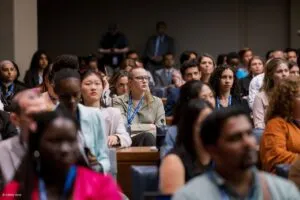
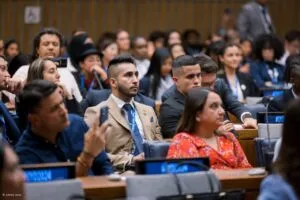
This year’s observance, organized by UNITAR and AFS Intercultural Programs, will bring together young leaders, policymakers, diplomats, innovators, and civil society representatives to explore how the international community can better invest in and partner with youth across diverse contexts. Through a high-level, intergenerational dialogue, participants will examine practical pathways to expand opportunities, strengthen youth leadership and participation, and accelerate collective action toward a more inclusive, resilient, and sustainable future.
Open to the public through registration, the event will encourage broad participation and amplify diverse perspectives, fostering dialogue and collaboration across generations, sectors, and regions.